Pollinators Without Borders
Monarch butterflies, native bees, migratory hummingbirds, and nectar-feeding bats don't recognize national borders — and neither does the work of protecting them. We connect organizations, communities, Rotary clubs, and conservation partners across Canada, the United States, Mexico, Central America, and South America.
News & Updates
Pollinator Gardens Are Popping Up across Rotary District 5240 – Time to Join
Planting pollinator gardens has attracted eight Rotary Clubs and community partners from Cambria to Ventura, California. They are springing forth from Rotary District 5240’s partnership with Monarch Joint Venture. This program provides free seeds, pollinator plants, and technical assistance to participating clubs.
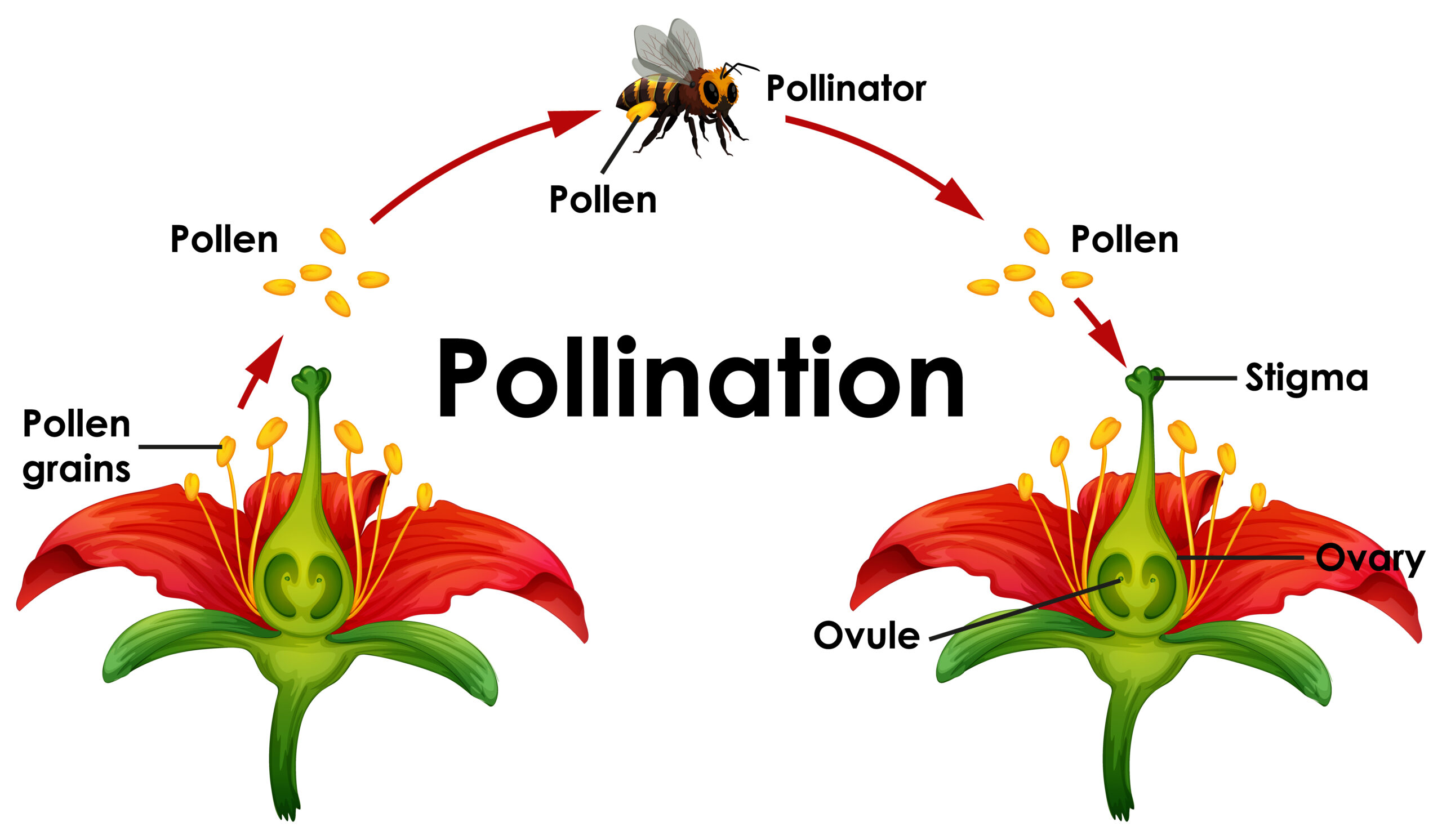
Every Rotary Club in District 5240 can create a pollinator garden and help bees, butterflies and more to thrive. Pollinators account for one third of the food we eat and play a vital role in keeping our ecosystem healthy. Unfortunately, pollinator populations have declined by as much as 40% due to climate change, urbanization, pesticides, and other factors. The Rotary Clubs in San Luis Obispo, Santa Barbara, Ventura, and Kern Counties are on vital pollinator pathways. Thus, this is an ideal environmental service project for every club to support.
Pollinator gardens create valuable opportunities for collaboration with local botanical gardens, University of California Master Gardener Program volunteers, and the California Native Plant Society. In addition, partnerships with schools, parks, and public agencies can help identify ideal planting sites. The program offers engaging educational opportunities for Interact and Rotaract members as well.
Want to get your club involved? Rotary D5240’s partnership with Monarch Joint Venture offers an expedited online Intake Form to ease sign up. Contact D5240 Environmental Chair, Don Maruska for more information at Don@DonMaruska.com.
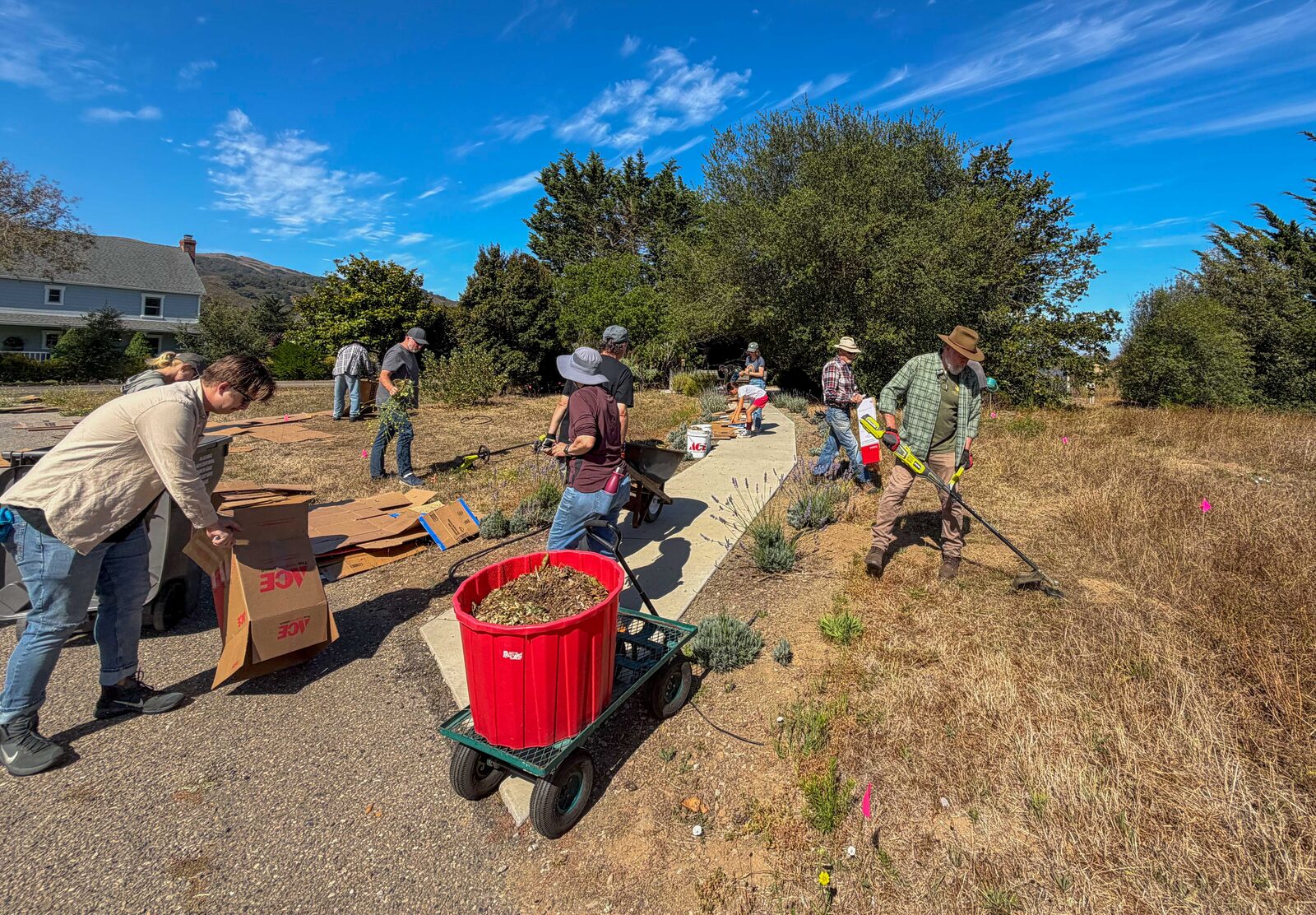
Los Osos Rotary, Los Osos Valley Garden Club, and St. Benedict’s working together to prepare the pollinator gardens.
Native Habitat Restoration
Milkweed, nectar plants, and agave corridors that fuel migration and everyday pollination.
Migratory Corridor Protection
Safeguarding the flyways and nectar corridors monarchs, hummingbirds, and bats travel every year.
Community & Citizen Science
Tagging programs, sighting reports, and habitat counts that power real conservation data.
Cross-Border Partnerships
Linking Rotary clubs, NGOs, and communities in every country pollinators pass through.
Why "Without Borders"
One shared responsibility, spread across many countries
Pollinators Without Borders is an informational website dedicated to connecting organizations, communities, Rotary clubs, educators, and conservation partners across the Americas to support the protection of pollinators and the corridors they depend on.
Monarch butterflies breed across Canada and the United States and overwinter in the mountain forests of central Mexico. Rufous and ruby-throated hummingbirds move between Mexico, Central America, and breeding grounds as far north as Alaska. Lesser long-nosed bats travel a nectar corridor of agave stretching from southern Mexico into the Sonoran Desert. Because pollinator life cycles cross borders, their conservation must be international too.
- Explore pollinator organizations working across North, Central, and South America
- Learn how monarchs, hummingbirds, and bats migrate — and what threatens them
- See pollinator ecoregions and migratory corridor maps
- Find concrete, low-cost ways to help from your own backyard, school, or Rotary club
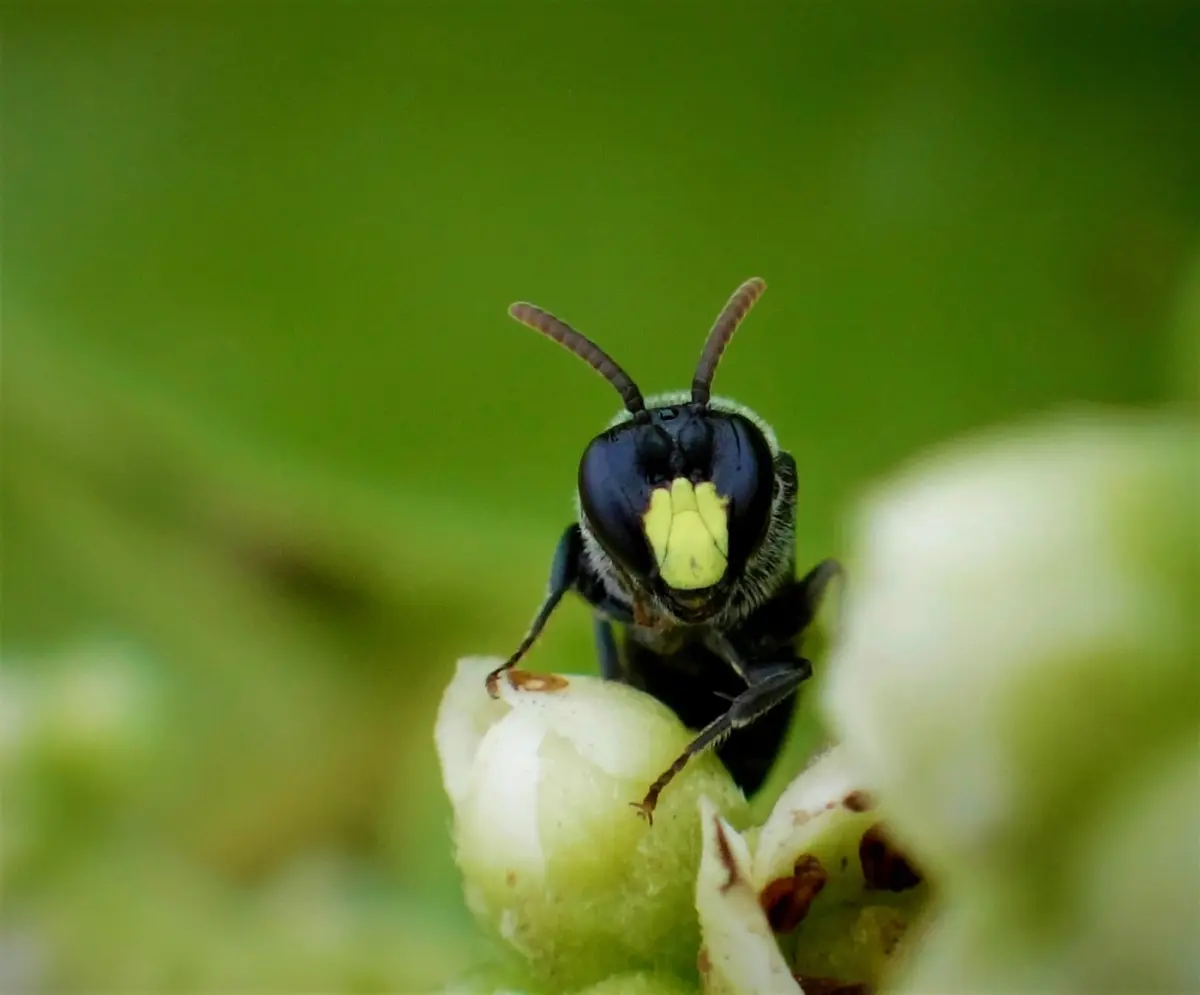
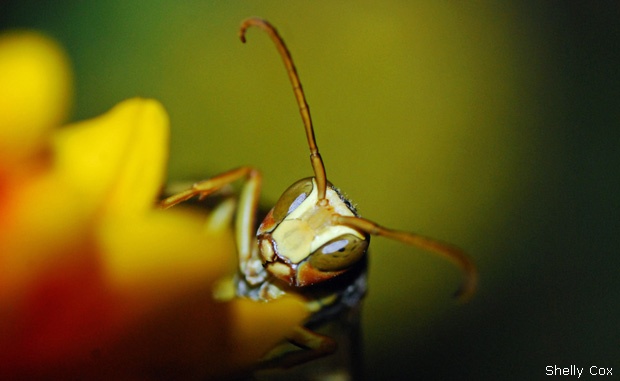
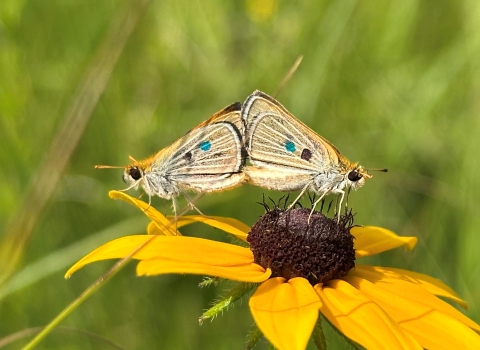
Paper Wasp Photo By Shelly Cox
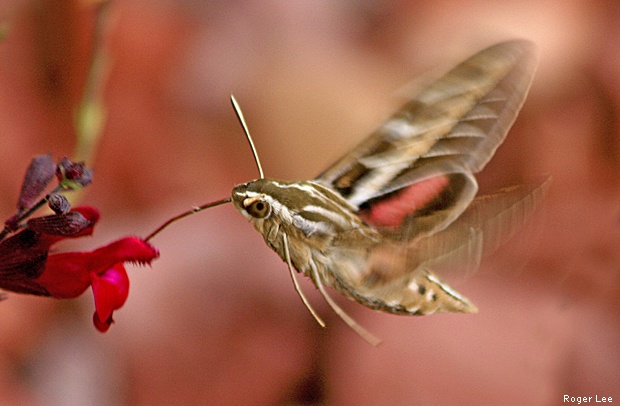
Humming Bird Moth Photo By Roger Lee
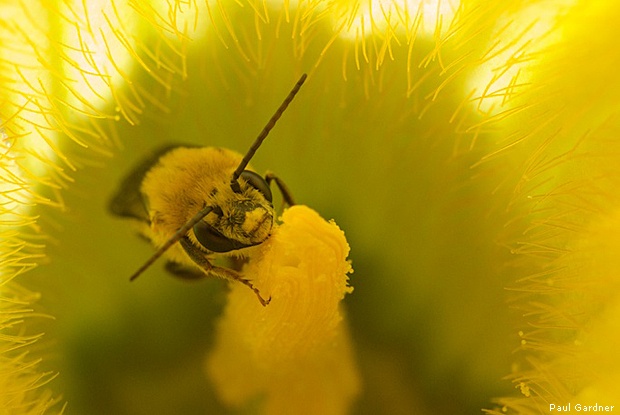
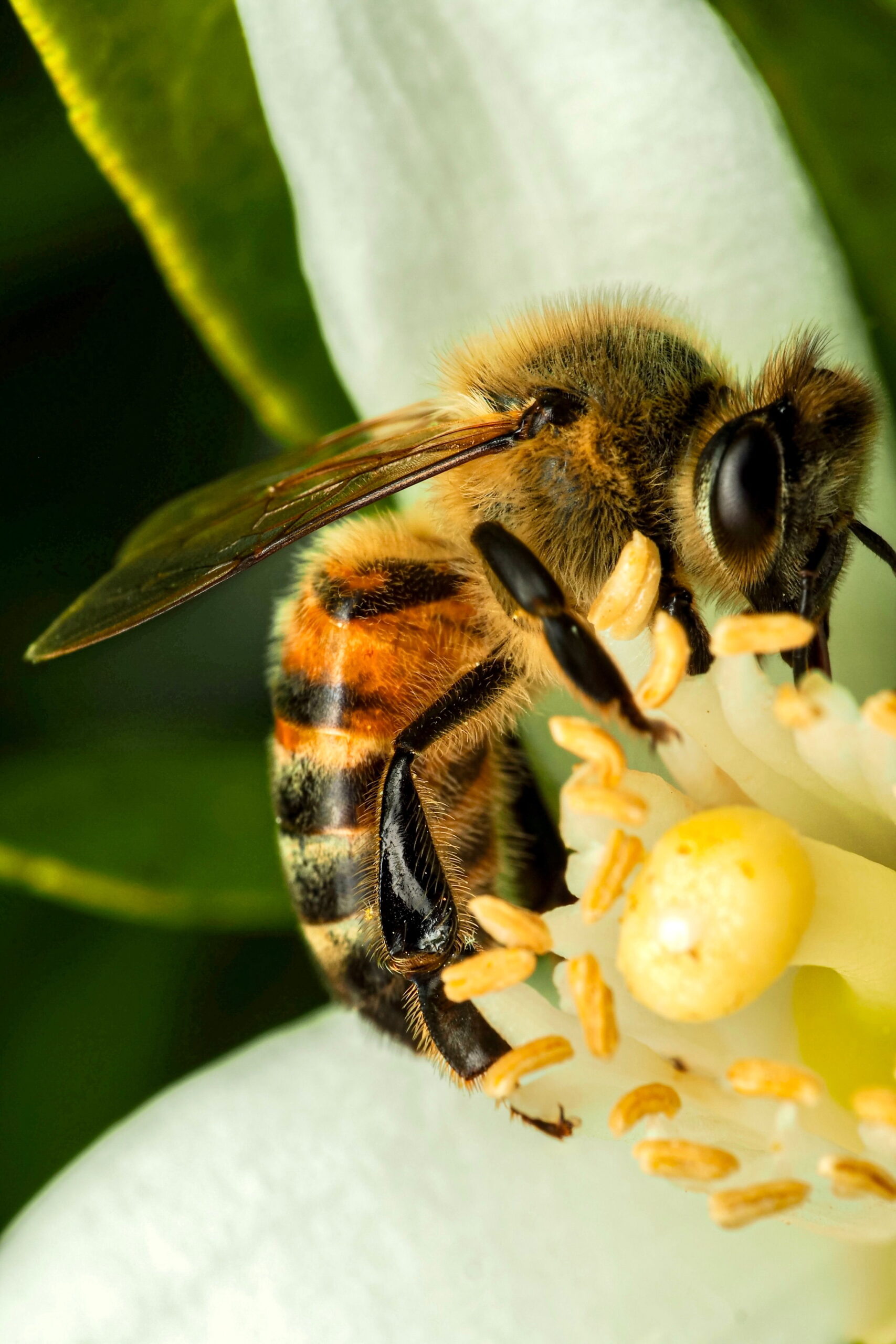
Native Bee Photo By Paul Gardner
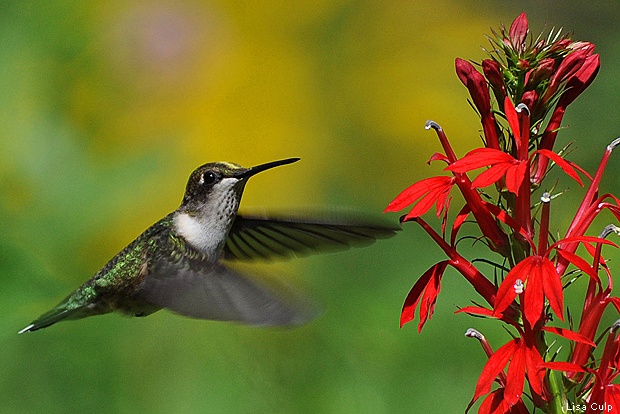
Ruby Throated Humming Bird Photo By Lisa Culp
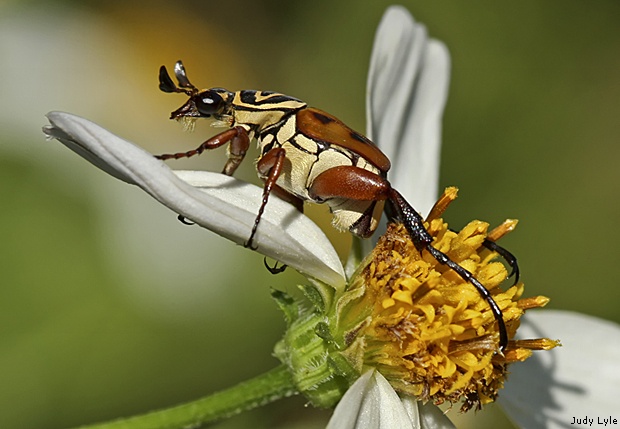
Delta Flower Beetle Photo By Judy Lyle
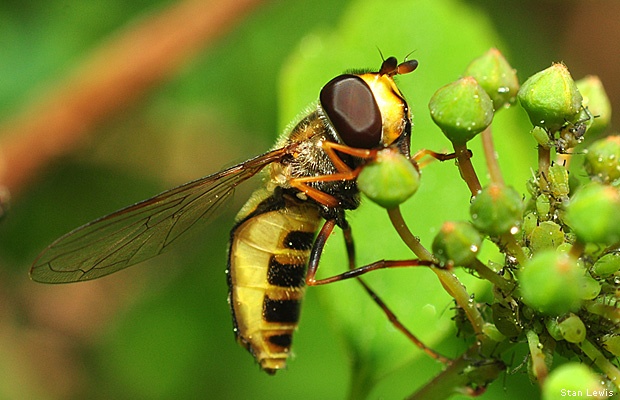
Hover Fly Photo By Stan Lewis
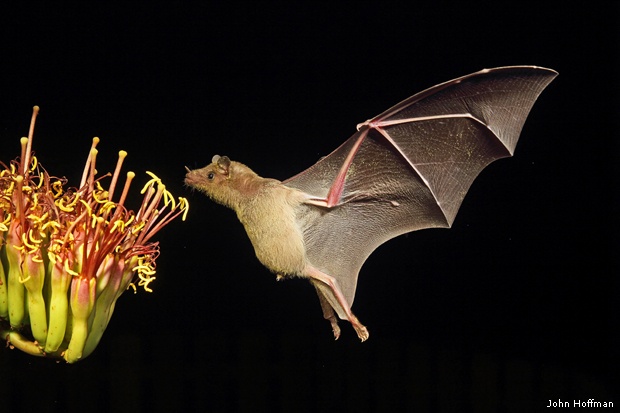
Lesser Long Nosed Bat Photo By John Hoffman

Where To Start
Four ways to explore this site
Organizations Directory
A region-by-region list of pollinator and monarch conservation organizations across the Americas.
View directory →Migratory Info & How to Help
Monarch, hummingbird, and nectar-bat migration explained — plus real actions you can take.
See migration guide →Pollinator Zone Maps
Ecoregions, planting guides, and illustrative maps of monarch, hummingbird, and bat corridors.
View maps →Get Involved
Garden, volunteer, report sightings, or bring a pollinator project to your Rotary club or school.
Take action →A Family Of Cross-Border Initiatives
Our Partner Network
Pollinators Without Borders is one part of a wider network of Rotary and ESRAG-affiliated conservation initiatives working across the U.S.–Mexico border and beyond.
Monarchs Without Borders
Our closest sister site — a continental hub focused specifically on monarch butterfly conservation, Rotary & ESRAG pollinator projects, and support for the overwintering forests of central Mexico.
Visit site →Building Bridges Through Rotary
"Service Without Borders. Impact Without Limits." A Rotary-led network advancing peacebuilding, water, health, education, and environmental projects across the U.S.–Mexico border.
Visit site →One Million Drops
A Rotary-affiliated global initiative for clean water access, watershed protection, and water innovation — the healthy watersheds pollinator habitat also depends on.
Visit site →The Alluvium Project
A sister initiative in the same cross-border network focused on river-corridor and watershed stewardship in the borderlands region.
Visit site →The Tijuana River Project
Raises awareness of the transboundary pollution crisis in the Tijuana River Valley & Estuary — critical habitat for hundreds of bird species — and supports restoration partnerships.
Visit site →See the Full Partner Network
Read more about how these initiatives connect, and how your Rotary club, school, or organization can join in.
View page →