About Pollinators Without Borders
An informational hub connecting people, organizations, and Rotary clubs across the Americas to protect the full community of pollinators.
Our Mission
Pollination doesn't stop at a border checkpoint
Pollinators Without Borders exists to serve as a continental information hub for pollinator conservation — covering monarch butterflies, native and managed bees, migratory hummingbirds, moths, and nectar-feeding bats, and the habitat corridors that connect Canada, the United States, Mexico, Central America, and South America.
Roughly one out of every three bites of food we eat depends on animal pollination, and pollinators support the reproduction of the vast majority of the world's flowering plants. Yet many pollinator species — from monarch butterflies to rusty-patched bumble bees to nectar-feeding bats — are in decline because of habitat loss, pesticide exposure, disease, and a warming, increasingly fragmented landscape. Because many of the most charismatic and ecologically important pollinators migrate across international borders to complete their life cycles, protecting them requires cooperation that also crosses borders.
This site does not replace the deep, on-the-ground work of the scientists, land managers, farmers, and community groups doing that work every day. Instead, it aims to make their work easier to find, easier to support, and easier to replicate — by curating a directory of organizations across the hemisphere, explaining migration in plain language, mapping pollinator ecoregions and corridors, and giving individuals, schools, and Rotary clubs a clear list of actions they can take.
Why "Without Borders"
Part of a growing family of cross-border initiatives
Pollinators Without Borders takes its name and inspiration from Monarchs Without Borders, a sister site dedicated specifically to monarch butterfly conservation across Canada, the United States, and Mexico. Where Monarchs Without Borders focuses on a single, iconic species and its migration corridor, Pollinators Without Borders widens the lens to the whole community of pollinators — bees, butterflies and moths, hummingbirds, and bats — across the entire Americas, from the boreal forest to the Patagonian steppe.
Both sites are part of a broader network of Rotary and Environmental Sustainability Rotary Action Group (ESRAG) affiliated initiatives working on cross-border environmental and humanitarian challenges, including Building Bridges Through Rotary, One Million Drops, The Alluvium Project, and The Tijuana River Project. Read more on our Partner Network page.
What We Focus On
Four pollinator groups, one shared corridor
Butterflies & Moths
Led by the monarch, whose multi-generational migration between Canada, the U.S., and Mexico is one of the great natural phenomena of North America.
Native & Managed Bees
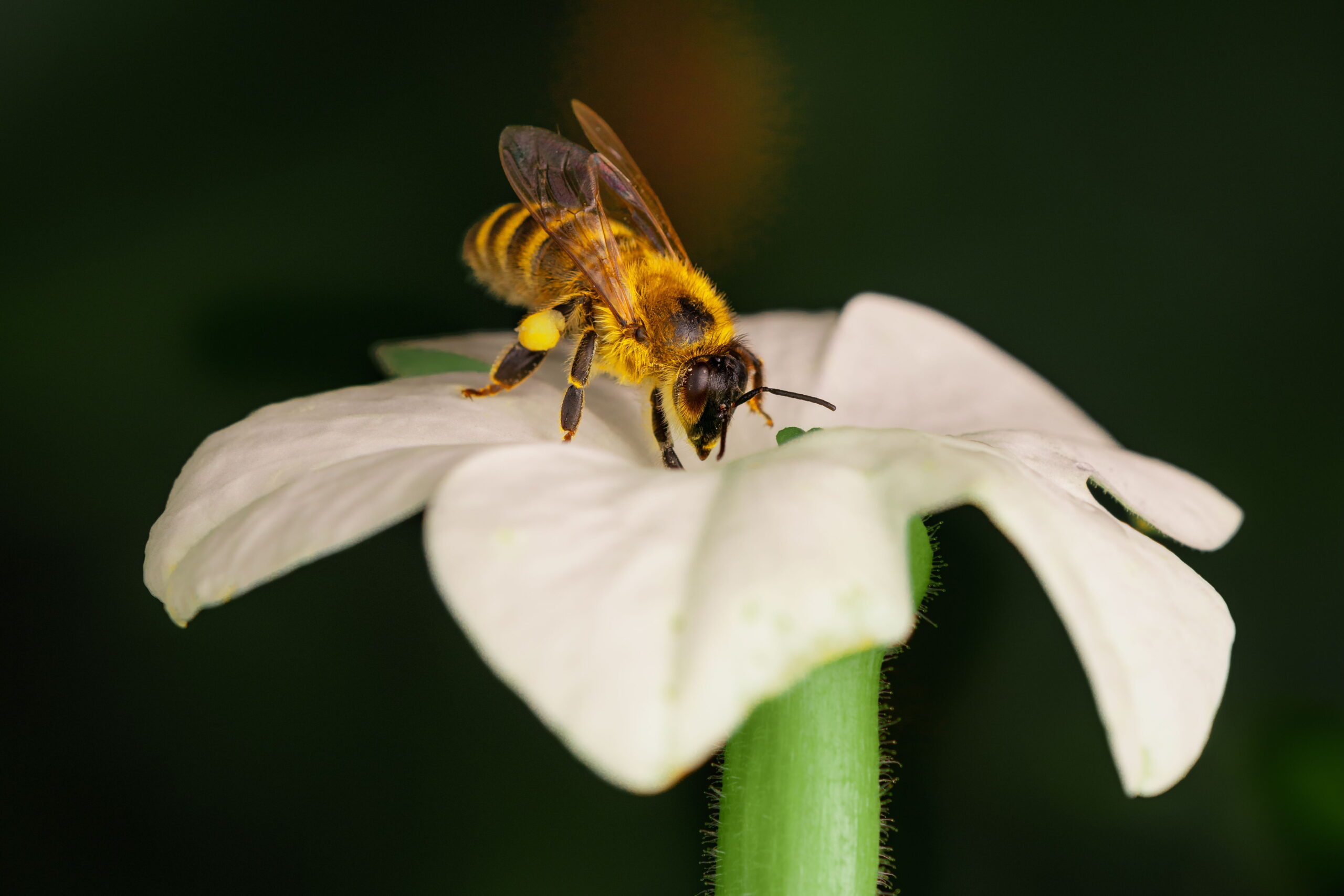
Thousands of native bee species, plus honey bees and bumble bees, form the backbone of pollination across farms, gardens, and wild ecosystems.
Migratory Hummingbirds
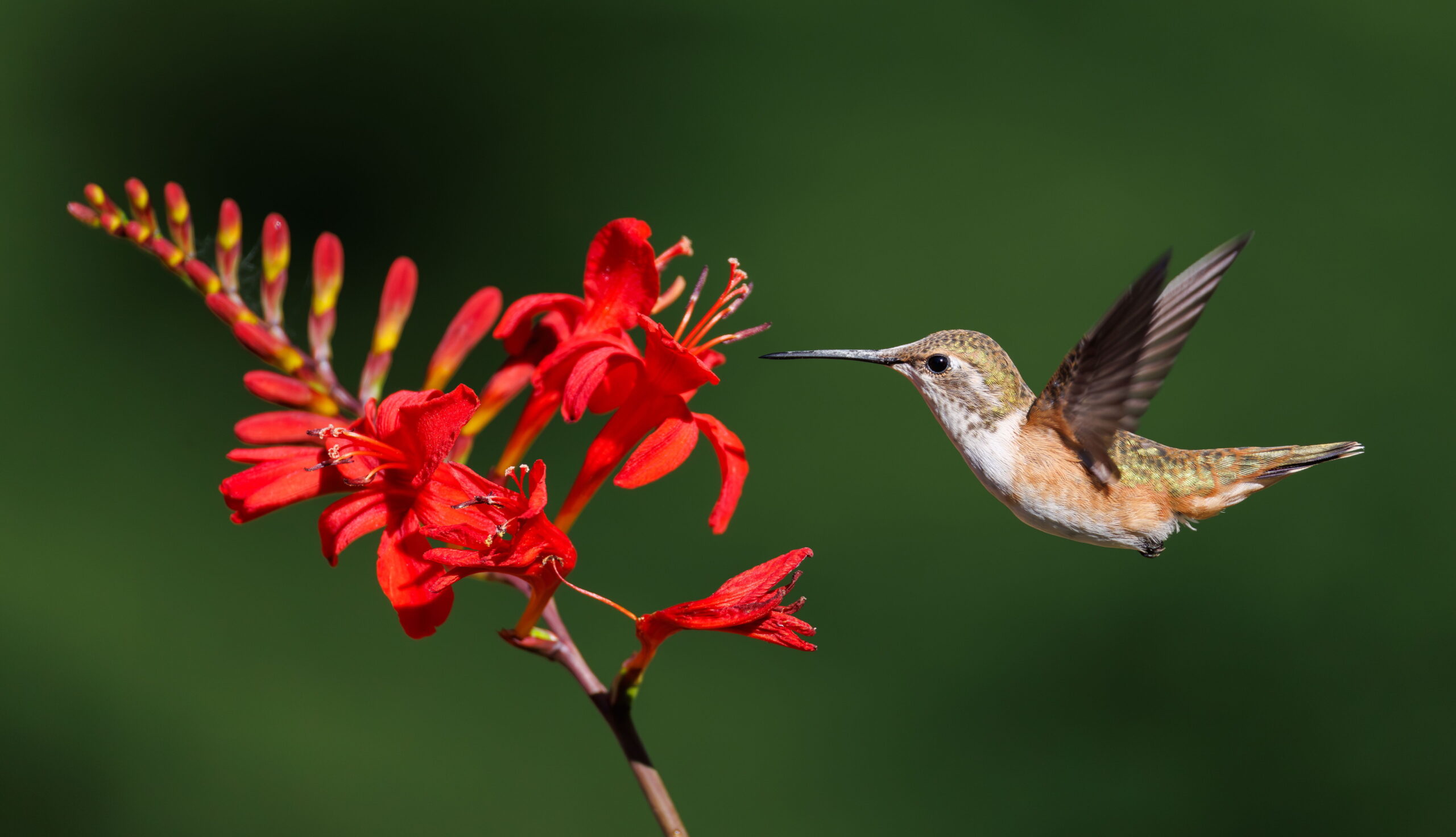
Species like the rufous and ruby-throated hummingbird pollinate as they travel thousands of miles between Central America, Mexico, and northern breeding grounds.
Nectar-Feeding Bats
The lesser long-nosed bat pollinates agave and cactus along a binational "nectar corridor" between Mexico and the southwestern United States.
Get In Touch
Know an organization, a project, or a story we should feature?
We rely on the pollinator conservation community to keep this directory accurate and growing. Reach out to suggest an organization, correct information, or share a project happening in your region.
Contact Us